What Are the Root Causes of War in Modern Times?
The root causes of war lie in the antagonistic contradictions of political and economic interests between classes, nations, political groups, and states. All direct and concrete causes of war are derived from these contradictions. Imperialism and hegemonism are the primary roots of modern warfare. To ultimately eliminate war and achieve lasting peace for humankind, the fundamental approach is to eliminate the various social conditions that lead to antagonistic conflicts of interest and eradicate the social roots of war.
Historical and Social Roots
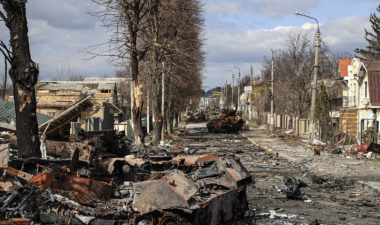
Modern warfare differs from tribal conflicts in primitive societies. Its deeper roots are closely related to social modes of production and class structures. In the late primitive society, armed conflicts between tribes were primarily for survival. However, with the development of social productive forces, surplus products and social division of labor emerged, forming class societies based on private ownership. The contradictions of interest between classes, nations, and political groups became increasingly acute, and war became the highest form of confrontation between classes, states, and nations.
Imperialism and Hegemonism
The direct danger and primary root of modern warfare are closely related to imperialism and hegemonism. Imperialist powers, relying on aggression and expansion to gain economic benefits, inherently provide fertile ground for war.
New Characteristics of Contemporary Warfare
Modern warfare is not limited to traditional military confrontation; it also manifests as hybrid warfare, information warfare, economic sanctions, and proxy wars. The means of warfare are more diverse, the battlefield scope is more blurred, and military operations are intertwined with political, economic, and informational factors, making the roots and manifestations of modern warfare more complex.
Causes of Modern Warfare
Political Factors
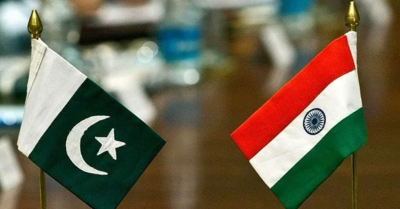
One root cause of modern warfare is political conflict between nations. Conflicts in political systems, ideologies, and national interests among different countries can, under certain conditions, trigger armed struggle and even escalate into war. For example, territorial disputes, ethnic conflicts, and religious conflicts can all become triggers for war.
Economic Factors
In the context of economic globalization, economic ties between nations are becoming increasingly close, and competition is intensifying. Conflicts in the economic sphere, such as resource competition, market competition, and economic sanctions, often become triggers for modern warfare. Especially on issues involving core national economic interests, conflicts can easily escalate into military confrontation.
Cultural Factors
Cultural differences and conflicts are also a significant cause of modern warfare. Differences in values, religious beliefs, and national identities across different cultural backgrounds can lead to antagonism and contradictions between groups, potentially escalating into armed conflict. In modern society, the accelerated speed of information dissemination allows cultural conflicts to spread rapidly, exacerbating the outbreak of war.
Geopolitical Factors
Changes in the geopolitical landscape are also a crucial root of modern warfare. In some regions, due to their unique geographical locations, the intertwining of great power influences, and the struggle for geostrategic advantage, these areas become hotspots of conflict. For example, the struggle for oil resources in the Middle East and territorial disputes in the Asia-Pacific region are common manifestations of geopolitical conflicts in modern warfare.
Conclusion
In summary, the roots of modern warfare are multi-layered: historical social conflicts stemming from private ownership and class contradictions, global expansion driven by imperialism and hegemonism, and antagonistic economic conflicts. In contemporary times, the forms of warfare are more complex, but their fundamental causes remain closely related to social structures, economic interests, and political power.